


Last updated:
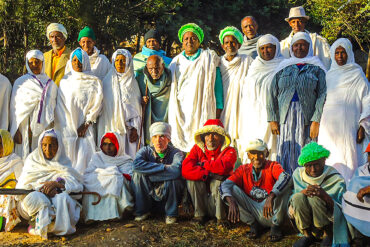
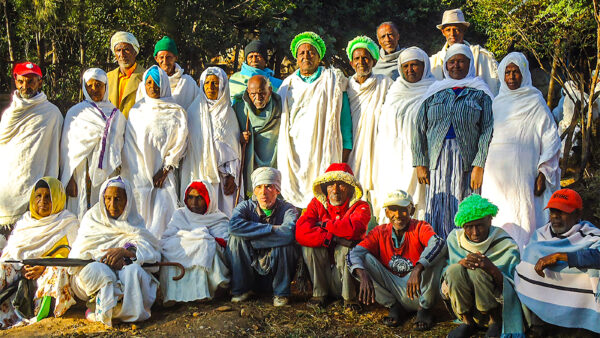
Members of the cooperative are community members who are willing and committed to coordinate their labor and knowledge to bring about holistic economic development
The cooperative includes weaker and stronger members of the community, and we share the benefits and risks of the venture equally. Cooperative members are assigned work according to their skills by the Field Work Assignment Committee. All members work to eradicate poverty and achieve maximum economic growth for the whole community. Each cooperative member must follow and respect all the values and principles in parallel with the expansion of these community values. In addition to formulating and implementing the Community Statute, the cooperative members also formulate and implement the Cooperative Statute. Awra Amba Community Farmers and Handicrafts Multipurpose Cooperative was legally recognized and certified by the Amhara National Regional State Cooperatives Promotion Agency in February 2008.
Vision of the cooperative:
to develop the economy at a high level by assigning work tasks according to people’s skills, knowledge, taking into account the weak and strong members of the cooperative. All members work in different types of jobs according to their abilities.Mission of the cooperative:
to spread the best practices of the cooperative to all humanity in a qualitative way. We also want to coordinate the members to use their ability to work effectively for economic growth, as well as to show how to apply and implement the work culture and living in solidarity with each person of the cooperative.How we share the proceeds
Once a year, we audit all the activities of the cooperative and calculate the annual profit. Then a percentage of the profit is shared equally among all cooperative members and the remaining part is used to improve the capacity or capital of the cooperativeWorking hours and organization
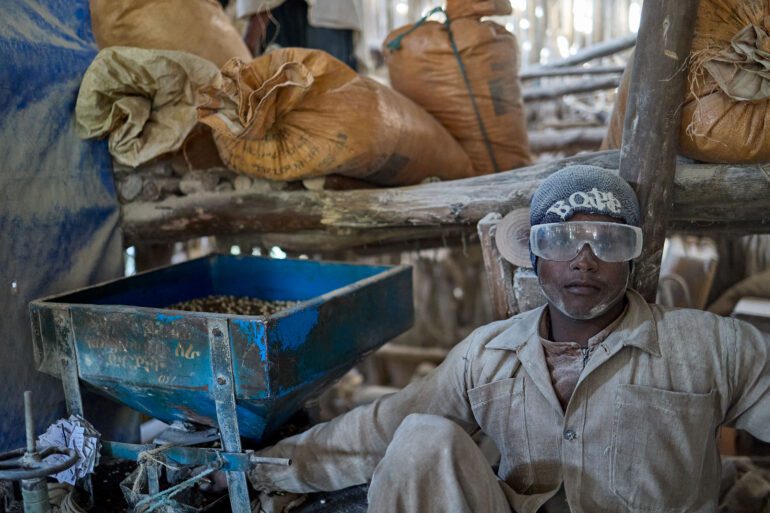
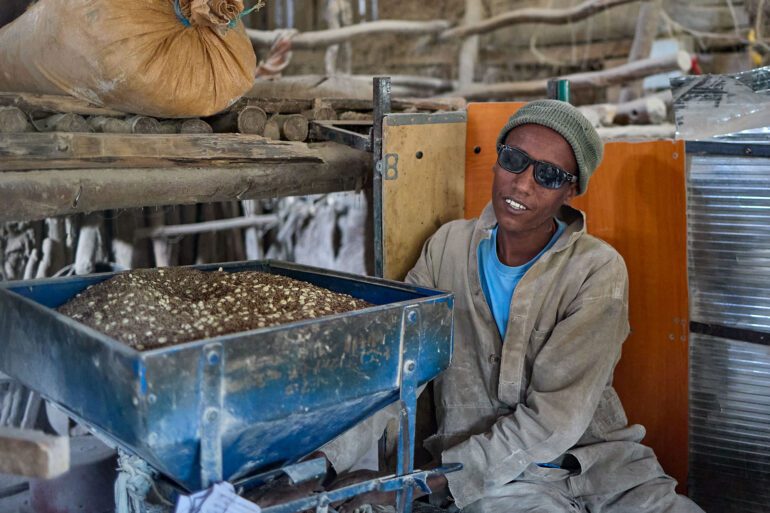
Cooperative work begins at eight in the morning and ends at five in the evening. Lunch is taken between 1 and 2 pm. Although the normal work day ends at 5 p.m., members volunteer to work until 6:30 p.m. or later. We also take turns standing guard at night to keep the village safe. Tuesdays are community work days, when all community members work to raise money for a fund known as Lewegen Derash (Charity). This fund is used to support people who are unable to work, to provide treatment for sick people who have no money, to provide educational materials for children, etc. On Sundays, members of the congregation can do their own private work or take a day off if they wish. In addition to Sundays, we often continue our private work after our community work is done, from 6:30 p.m. until bedtime. Sometimes, if there is community work to be done on Sunday, it will always come first. Most cooperative members have regular types of work. If there is work that is not regular (tentative), some members will be assigned to do it, depending on the person’s ability. Assigning people to tentative work is done during an occasion when cooperative members meet regularly in the morning for greeting before the cooperative work starts. The members also meet in the evening. This means that when they faced challenges in their work, the participants raised their problems. Then the members discuss the problem to be solved. Through this discussion, the problem is solved for the next day. Finally, if we prefer to go home to do our private tasks, we will go and do our tasks. If we prefer to stay and share the comments and feedback from the visitors, we will stay and participate in the presentation of the visitors’ comments by the guides.
Awra Amba Trading
Since Ethiopian law does not allow cooperatives to operate outside the area in which they are located, we created a company that can operate anywhere in Ethiopia. This also allows us to export our economic model and ideas. 99 percent of the shares of the company belong to the cooperative.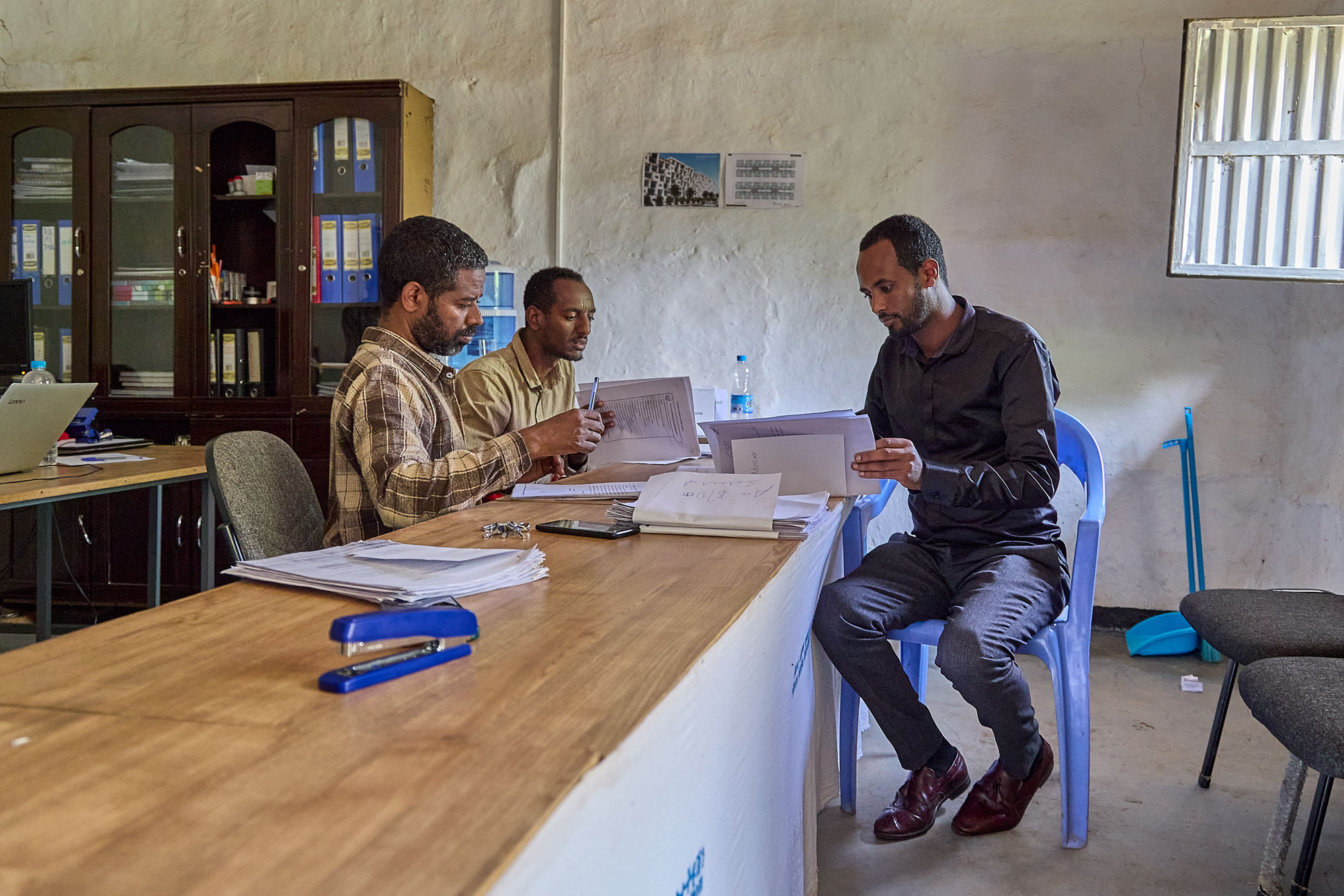
Awra Amba Microfinance Institution
The Awra Amba community needed financing to grow and invest in the many new projects necessary to transform itself from a rural, poor community into a developed one with industry and services. However, bank financing was very costly, with interest rates in excess of 25% (implying a project return rate of 65%, which is almost impossible to achieve) and with collateral requirements such as land ownership, which is impossible to have in a rural community. Thus, the community was excluded from the financial sector. To overcome these problems, the idea of a community-owned microfinance institution was born around 2014. It took nine years to get it off the ground, four of which were spent on the licensing process and the other five on finding capital. Now the project is up and running with four branches and a head office in Bahir Dar. The challenge now is to create a service that is consistent with the community’s human-centered values and relevant to the urban and rural poor it seeks to reach.




One Comment